

This post may contain affiliate links. Read the full disclosure
Planning a trip to Thailand for the first time?
Thailand is an incredible destination, but it can feel a little overwhelming at first — from navigating transport and understanding local customs to knowing what to expect with the weather.
In this guide, we’re sharing our top Thailand travel tips to help you feel confident, prepared, and ready to make the most of your trip.
I’ve pulled together a list of practical, cultural, and safety tips to help make your own Thailand experience stress-free and full of those memorable moments you will talk about long after you return home.
Thailand Travel Tips – Quick Guide
- ✔ Best time to visit: November to April
- ✔ Currency: Thai Baht
- ✔ Must know: Dress modestly at cultural sites
- ✔ Good to know: Cash is still widely used
- ✔ Avoid disappointment: Book popular tours early
Be sure to also check out our Thailand packing list to prepare for your visit.
Thailand Travel Tips
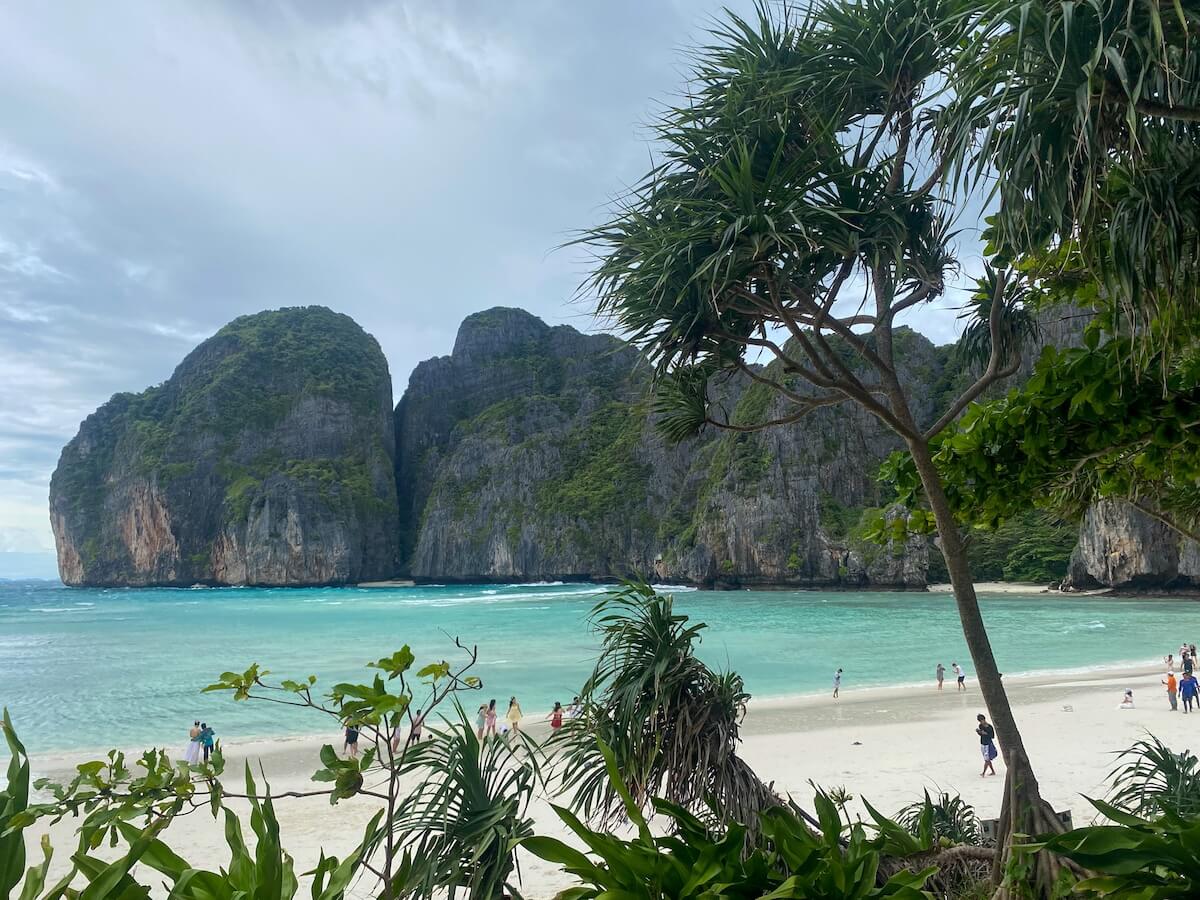
Thailand is a fairly easy destination to plan a visit to. It has the perks of being great for any type of traveller.
It’s family-friendly and affordable to take the kids to Thailand. It’s romantic enough for couples looking for a relaxed destination or even for a honeymoon. And it’s even pretty good for solo travellers.
These travel tips for Thailand include health, safety, and convenience, as well as a few thrifty and cultural tips too.
1. Learn a Few Thai Phrases
Thai people as a whole know English pretty well! And many know a little Russian too, since there is such a large Russian population in Thailand, but they do still truly appreciate when visitors make the effort to learn a few simple words — it’s a small gesture that can make a big difference.
You don’t need to be fluent to get smiles everywhere you go. Even short greetings or thank-yous help break the ice and show respect for the local culture.
Common phrases to know:
- Sawasdee ka/krub – Hello
- Khop khun ka/krub – Thank you
- Mai phet – Not spicy
- Sabai dee mai? – How are you?
- Tao rai? – How much?
- Chai – Yes
- Mai – No
If you forget the pronunciation, don’t stress — a smile goes a long way too.
TIP: Like many languages, the Thai language has male and female variations. While not necessary, you can add kaa at the end for addressing a woman or kup for addressing a man.
2. Cash Is Still King (But Keep a Card Handy)
Thailand is modern in many ways, but cash still rules, especially at smaller shops, street food stalls, and local markets. ATMs are easy to find, but they usually charge a hefty withdrawal fee — around 220 baht.
Plan ahead by withdrawing a larger amount once or twice during your stay, and keep smaller notes for taxis, shopping, and snacks.
You can use cards at larger hotels, restaurants, and convenience stores.
Tipping isn’t mandatory, but leaving 20–50 baht for good service is always appreciated.
Tip: If you travel frequently, consider a Wise travel card to avoid high currency conversion fees.
3. Pack Smart for the Weather
Thailand’s tropical climate is part of its charm — but it also means hot days, humid afternoons, and the occasional sudden downpour, especially around October (yes, we saw this first hand).
Light, breathable clothing will be your best friend, and it’s always smart to pack a small rain jacket or poncho.
If you’ve booked a day tour or activity, unless it’s considered unsafe, this will go ahead, rain or shine, so it helps to be prepared.
This was something that we were unprepared for. The wet season is chaotic! It rained for most of our trip, but not all day. It was kind of crazy, with flash flooding along the roads, but the locals just go about life like normal, since this clearly is normal during the rainy season.
In some cases, a lightly rainy day is a nice change from the extreme heat and humidity for certain activities, too, like visiting an ethical elephant sanctuary or zip-lining in the jungle.
The sun still has bite even if it’s overcast! As Queenslanders, we know this, and still, we both got sunburnt on our second day, in the resort pool.
A few essentials to add to your packing list:
- Reef-safe sunscreen (to protect marine life and your skin)
- Insect repellent
- A light scarf or wrap for temple visits
- Comfortable sandals or slip-on shoes
- A hat and sunglasses for long days outdoors
- A poncho or travel umbrella
Tip: Laundry services are inexpensive and fast, so you can easily pack light and wash mid-trip.
4. Respect Local Culture and Customs
Thailand is a country that values respect and calmness in everyday interactions. As a visitor, showing awareness of local etiquette goes a long way.
You will find that people are patient, polite, and gentle — and they appreciate it when travellers reciprocate.
When visiting temples or cultural sites:
- Dress modestly — shoulders and knees covered.
- Remove shoes before entering the temple interiors.
- Never point your feet toward Buddha images or people.
- Avoid touching anyone’s head, even children.
- Speak quietly and show reverence inside sacred places.
And while it’s rare to encounter political discussions, it’s best to avoid speaking negatively about the monarchy — it’s both illegal and deeply offensive in Thailand.
5. Embrace the Local Food Scene
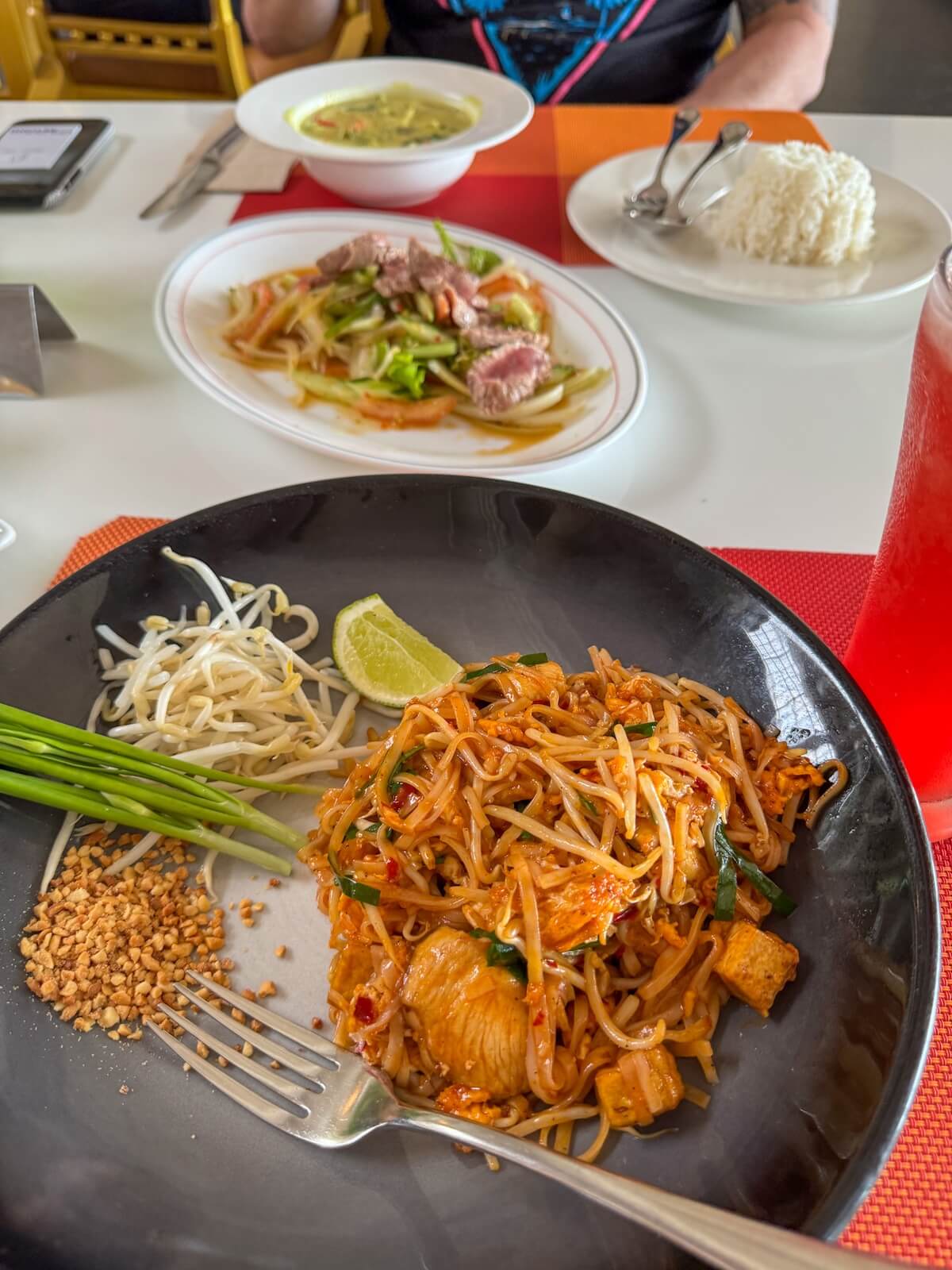
Thai food is legendary for a reason. From sizzling street-side woks to cosy beach cafés, you’ll find dishes bursting with flavour everywhere you go. Eating like a local isn’t just cheaper — it’s often better.
A few food tips to make the most of your culinary adventures:
- Choose busy food stalls — high turnover means fresh food.
- Ask for phet nit noi (a little spicy) if you’re cautious with heat.
- Try regional specialities like pad kra pao, mango sticky rice, larb, and tom yum.
- Always drink bottled or filtered water, and skip the ice in smaller roadside stands.
Don’t leave Thailand without visiting at least one night market — it’s part meal, part adventure!
We stayed right near the Kata Walking Street Markets, which were great for both street food, treats and shopping for souvenirs.
Tip: If you do get sick, like Simon did, there are pharmacies everywhere to get gastro-stop and rehydration medications. He was down for 2 full days of our trip…urgh!
6. Choose Ethical Animal and Nature Experiences
It’s easy to be drawn in by tours offering elephant rides or tiger photos, but these activities are often harmful to animals. Thankfully, Thailand now has some truly ethical sanctuaries where you can observe rescued elephants up close without exploitation.
If you want a meaningful wildlife experience:
- Visit certified sanctuaries like Phuket Elephant Sanctuary or Elephant Nature Park in Chiang Mai.
- Avoid any place that allows riding, bathing, or performances.
- Use reef-safe sunscreen when swimming or snorkelling.
- Don’t touch coral or feed fish — look, don’t disturb.
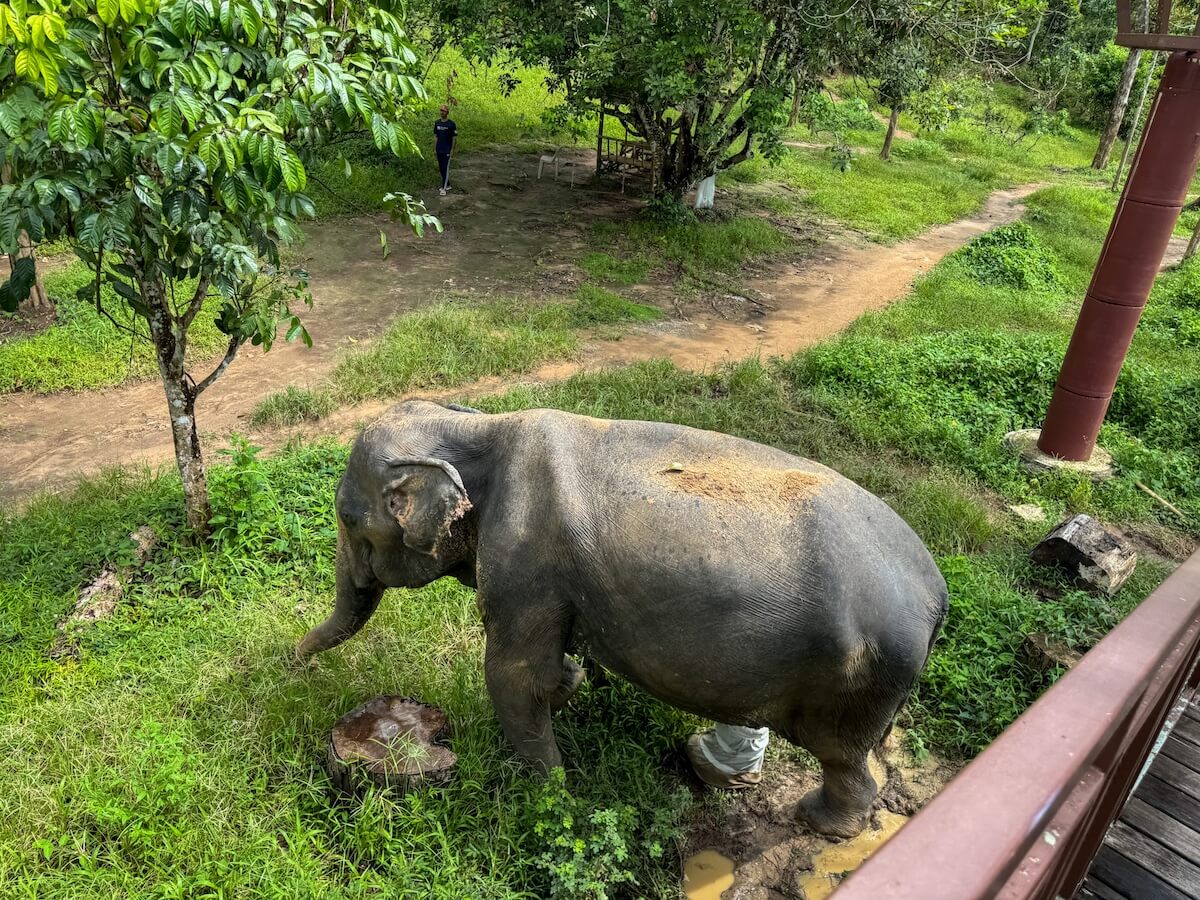
You can read about our experience at Phuket Elephant Sanctuary here. It was a beautiful initiative that genuinely protects and rescues elephants.
Responsible travel helps keep Thailand’s natural beauty and wildlife thriving for future visitors.
Tip: Do your research! Just because a place says they are a reserve or sanctuary does not mean it is ethical. If you are directly interacting with the animals, it’s probably a sign that they aren’t ethical.
7. Getting Around Thailand Safely
Traffic in Thailand can be a little chaotic and almost feels like there aren’t a lot of road rules. Thailand’s transport network is generally reliable, but it helps to know your options.
In cities and tourist hubs like Phuket, Grab (Thailand’s version of Uber) is the easiest and safest way to get around. You can also use taxis, but make sure the meter is on or agree on a price before starting the ride so you don’t get ripped off.
Tuk-tuks are fun for short journeys, but they can be much more expensive than you’d expect.
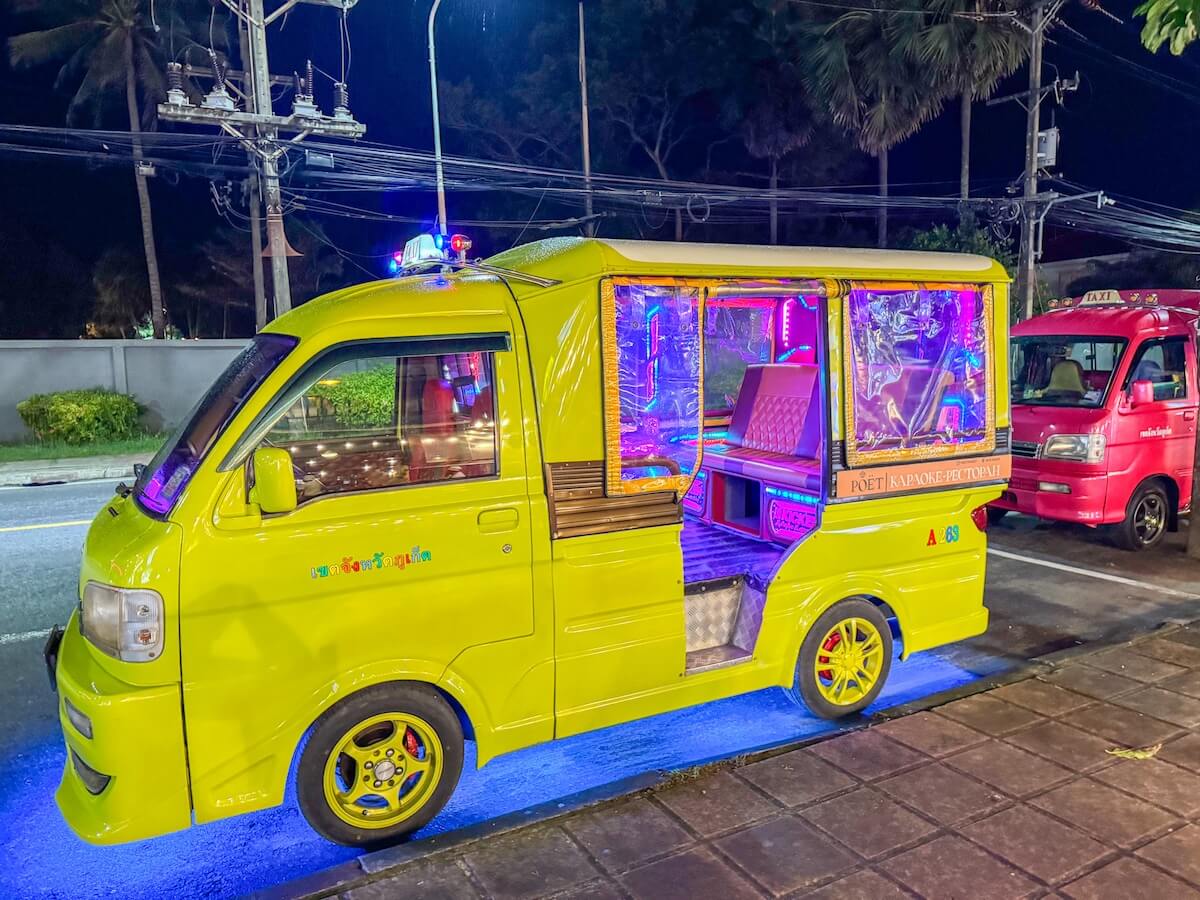
If you’re renting a scooter, only do so if you’re experienced — wear a helmet, follow traffic rules, and check that your travel insurance covers scooter use.
For day trips or excursions, book with reputable operators or through your hotel. This ensures you’re covered for safety and logistics, especially on island-hopping tours.
We booked all of our day tours, such as Phi Phi Islands, with included transfer options, and they were always on time and reliable. It made the whole experience really easy! Same with airport transfers.
8. Travel Insurance Is a Must
Even the most relaxed island trip can have unexpected surprises — lost luggage, cancelled ferries, or food poisoning happen more often than you’d think.
Comprehensive travel insurance gives you peace of mind and is an absolute must for Thailand.
Make sure your policy covers:
- Medical emergencies and hospital stays
- Outdoor activities like snorkelling or ziplining, if you’re doing them
- Delayed or cancelled flights
- Lost or stolen belongings
It’s one expense you will never regret having for any international destination.
This is one thing we never travel without
Travel insurance is one of those things you hope you never need — but it’s absolutely worth having, especially when travelling with kids. For flexible coverage, we’ve used SafetyWing, and World2Cover through Klook is another solid and affordable option.
9. Be Kind to the Environment
Thailand’s landscapes — from lush jungles to coral reefs — are fragile. The tourism boom has taken a toll in some regions, so travelling sustainably makes a real difference.
A few small ways to travel greener:
- Carry a reusable water bottle (many hotels offer refill stations).
- Say no to plastic straws and bags.
- Bring a reusable shopping bag.
- Choose eco-conscious tours and accommodation where possible.
- Pick up rubbish when you see it — leave places better than you found them.
Even small actions help preserve the beauty that draws us all to Thailand in the first place.
10. Health & Safety Basics
You don’t need to overthink health concerns in Thailand, but it pays to be prepared.
Mosquitos are more than just annoying — they can carry dengue fever and other serious illnesses — so repellent is non-negotiable. Bring a small travel kit with common medications for upset stomachs, headaches, and allergies.
Some quick safety reminders:
- Always wear a helmet if you ride a scooter.
- Keep valuables secure in a hotel safe.
- Be cautious with alcohol at beach bars — stay aware of your surroundings.
- Stay hydrated and avoid too much midday sun.
- Always wear sunscreen.
- Pay attention to beach warnings and don’t swim where you shouldn’t.
- Beware of the monkeys.
Thailand is one of the safest countries in Southeast Asia, but smart travel habits keep it that way.
11. Beware Of The Monkeys

They might look cute in photos, but Thailand’s monkeys are cheeky little thieves — especially in popular tourist spots like Monkey Hill in Phuket, Phuket Old Town, and Ao Nang Beach.
They’re clever, fast, and not the least bit shy about helping themselves to whatever catches their eye.
It’s all fun and games until you realise your sunglasses, drink bottle, or even your phone has just been swiped by a long-tailed macaque. These monkeys have learned that tourists often carry snacks and shiny things — and they’re not afraid to grab them right out of your hands.
You also have to worry about rabies and other illnesses from monkey bites or scratches, the same as in places like Bali.

It was actually really sad to see monkeys in the Phi Phi Islands, even the ones hanging off the rocks at Monkey Beach, were eating human snack food, like chewing a hole in the bottom of a Gatorade-type drink to get the last of the drink out or eating a packet of Cheetos.
A few tips to avoid monkey mischief:
- Keep your distance. Don’t try to feed or touch them — it encourages aggressive behaviour.
- Secure your belongings. Zip up bags and keep valuables like sunglasses or phones out of reach.
- Avoid holding food in monkey-heavy areas; even a water bottle can get their attention.
- Stay calm if they approach. Loud reactions or sudden movements can make them more curious.
Most monkeys are harmless if left alone, but it’s best to treat them like wildlife, not pets. They’re fascinating to watch — from a safe distance!
12. Check Visa Requirements Before You Go
Thailand is pretty easy to visit, but it’s still important to check visa requirements before you travel — especially if you’re planning a longer stay or entering multiple times.
Australian travellers (along with many other nationalities) can currently enter visa-free for up to 30 days when arriving by air, or 45 days under certain temporary arrangements. However, entry rules can change, so it’s best to double-check on the Thai Embassy website or with your airline before you fly.
If you plan to stay longer, work remotely, or hop in and out of Thailand as part of a Southeast Asia trip, you may need a tourist visa or visa extension. Having the right documentation sorted before you land saves you stress — and possibly a long conversation at immigration when all you really want is a coconut drink by the beach.
You also need to fill in a Thailand Digital Arrival Card. No one even checked ours, but better to have it than not. Make sure you use this official site and not one that costs you money.
13. Wear Slip-On Shoes
You will thank yourself later for this one — Thailand is a country where you take your shoes off a lot.
It’s customary to remove footwear when entering temples, homes, and sometimes even cafés, spas, and smaller shops. With that in mind, avoid anything that takes forever to lace up or unbuckle.
Comfortable slip-on sandals or slides are ideal, especially for beach towns and markets where you’re constantly moving between indoor and outdoor spaces.
Your feet will also swell slightly in the tropical heat, so having breathable shoes you can slip off easily is not just practical — it’s pure comfort.
Just make sure you pack a pair that can handle a bit of walking, since exploring Thailand usually means plenty of that!
My Crocs slides were what I wore for everything but ziplining. They were also good because of all the rain, while usually Sanuk Yoga Sling are my go-to travel sandals, but the fabric would have been wet from all the rain and beaches.
14. Use an eSIM Card for Easy Connectivity
Gone are the days of hunting down a SIM card booth at the airport or struggling to find Wi-Fi when you need to call a Grab. The easiest way to stay connected in Thailand is to set up an eSIM before you arrive.
Apps like Airalo let you download a Thai data plan straight to your phone, often for just a few dollars. This means you can start navigating from the airport, message your hotel, or check local restaurants without the hassle of physical SIM swaps.
Coverage across Thailand is generally excellent — even on many islands — and speeds are fast. I had connectivity in the middle of the Phi Phi Islands when we weren’t even that close to land to send my daughter photos.
If your phone doesn’t support eSIMs, you can still grab a TrueMove, DTAC, or AIS SIM card at the airport on arrival. Just be sure to bring your passport for registration.
Insider Tip: I got a 10GB Airalo eSim for our 8-day trip and barely used any of it, even with sending photos and videos via messenger while out and about. A 3GB or 5GB plan would suit most standard users.
15. Don’t Expect Toilet Paper Everywhere
Here’s a tip many first-time visitors learn the awkward way — toilet paper isn’t always a given in Thailand.
Most public toilets (and even some restaurants) rely on a hand-held bidet spray, often called the “bum gun.” It’s surprisingly hygienic once you get used to it — and you might even end up preferring it by the end of your trip!
Thai plumbing isn’t great, so most places will also have signs that say ‘No toilet tissue to be flushed’ with bins provided instead. Thankfully, in the major resorts, their plumbing is a little better, and you can get away with not putting your poop paper in the bin.
Still, it’s smart to carry a small pack of tissues or even a toilet roll in your bag just in case. Also remember:
- Don’t flush toilet paper — it usually goes in the bin next to the toilet.
- Bring hand sanitiser for peace of mind when facilities don’t have soap.
It’s all part of the travel experience — a little adjustment that quickly becomes second nature.
Bonus Tips for Couples
Travelling as a couple in Thailand is the perfect balance of romance and adventure. Between spa days, beach walks, and cocktails at sunset, it’s easy to fall into the island rhythm.
A few ideas to make your trip extra special:
- Book a couples massage — it’s luxurious and surprisingly affordable.
- Enjoy a sunset drink at Kata Rocks or The Boathouse for a fancy date.
- Take a private longtail boat tour to nearby islands.
- Have one “splurge” night — like dinner at Mom Tri’s Kitchen or a sunset cruise.
How Much Does It Cost to Travel Thailand?
Thailand is known for being an affordable destination, but costs can vary depending on your travel style.
- Budget: Hostels, street food, local transport
- Mid-range: Hotels, restaurants, tours
- Luxury: Resorts, private tours, fine dining
👉 Overall, Thailand offers great value for money compared to many other destinations.
It’s a destination made for slowing down, connecting, and making memories.
Thailand is one of those rare destinations that welcomes every kind of traveller — whether you’re backpacking, honeymooning, or exploring with kids in tow. The people are kind, the food is incredible, and every corner of the country has something different to offer.
Keep these Thai travel tips in mind, travel with an open heart (and a big appetite!), and you will soon understand why so many people return to Thailand again and again.